Home / Strategy
Decision tree
When a drop is cheaper than a chase
Strategy starts after you can group a legal hand. The next fork is four verbs: keep, drop, declare or wait. None of them legalises a cash seat. None of them has a published win rate on this desk.
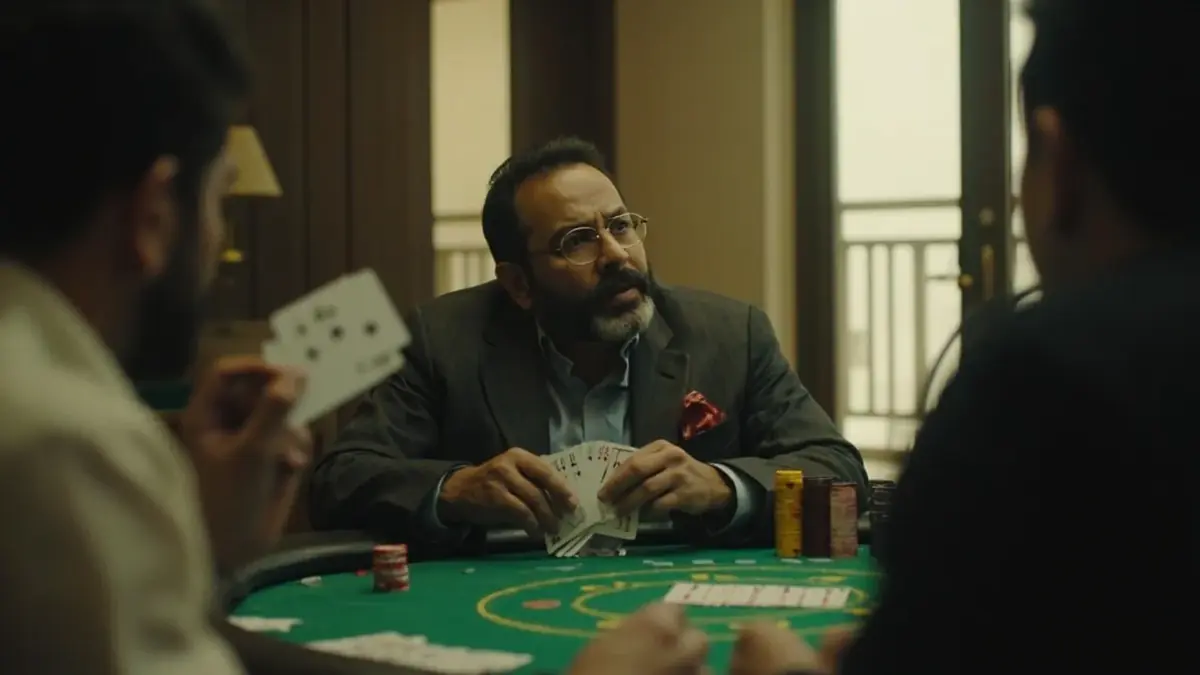
Four verbs
Read the tree in order. Do not skip to declare.
Keep if you already hold a pure sequence seed and the rest can close in a few picks. Drop if the pure sequence is absent after the first sort and the ungrouped value is already ugly. Declare only when every card is grouped. Wait only when you can name the exact card that finishes a second sequence and the discard pile has not already shown it twice.
If you cannot say which verb you are using, you are gambling on mood. Mood is not a system.
Decision, cost, what it cannot fix
| Decision | What it costs | What it cannot fix |
|---|---|---|
| Keep | More picks, more exposure | A missing pure sequence |
| First drop | A printed first-drop value | A seat that was already unlawful |
| Middle drop | A higher printed drop | Pride after a bad pick |
| Declare | Invalid-show penalty if wrong | A hidden house rule you did not read |
| Wait | Opponent declare risk | A dead format clock in pool 201 |
Figures used here for illustration only. Drop values belong on the seat screen.
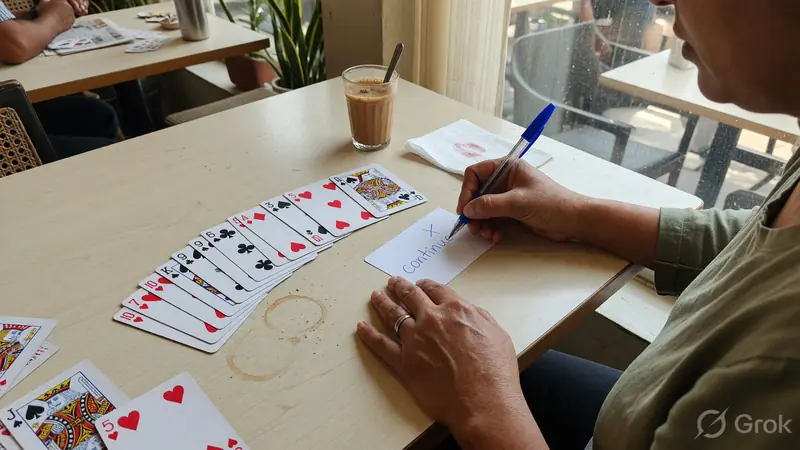
Keep only names a finishable shape
A keep that cannot point at the finishing card is a stall. Stalls look like patience and behave like hope. Hope is the most expensive ungrouped pile in the room.
Systems thinking here is small: inventory the groups, count missing ranks, count remaining picks you can actually afford. If the afford count is zero, the verb is drop.
A first drop is a price, not a character test
People stay because leaving feels like losing. The table already priced leaving. Pay the smaller printed number. A middle drop is the tax on delayed honesty.
Declare is a checklist, not a feeling
Pure sequence present. Second sequence present. Leftovers grouped. No extra pick still in hand. If any line fails, you are not declaring. You are volunteering for the invalid-show line on the seat screen.
Waiting needs a named card, not a vibe
Name the rank and suit. If that card has already passed twice, the wait is theatre. Theatre does not reduce ungrouped value.
What this tree refuses to claim
No expected-value figure. No safe declare. No percentage. Skill moves grouping quality. It does not move the 2025 Act. If you need a stop, open responsible play. If you need a product score, open the review lens.
Timing questions
Is there a correct drop point?
Only relative to the printed first and middle values and the ungrouped count you can see. This desk will not publish a magic number.
Should I hold a joker for a late set?
Only after the pure sequence exists. A joker cannot rescue a missing gate.
Does waiting work better in pool?
Waiting in pool can survive a hand and still lose the line. The format ledger matters more than stubbornness.
Can strategy make cash play legal?
No.
What should I read after this tree?
The review method, then the Hyperwin checks.
If the tree is clear, judge the product. If it is not, stop the session.
Timing skill is optional. A legal and money check is not.
Why this tree refuses percentages
A published win rate would be a claim this desk cannot source. Expected-value talk without the printed drop values is theatre. The tree uses four verbs and a table of costs. That is enough to decide a hand. It is not enough to legalise a cash seat.
Keep needs a named finishing card. Drop pays the smaller printed number. Declare is a checklist. Wait needs a rank and suit that has not already passed twice. If you cannot say the verb, you are using mood. Mood is expensive.
Pool 201 can punish waiting even when the grouping is fine, because other people refuse to leave. Format choice still sits under games. Do not ask the tree to repair a clock you chose badly.
After the tree, judge the product. If the product fails findability or KYC clarity, better discards will not help. Strategy is optional. The legal and money checks are not.
Mood is not a fifth option
Keep needs a named finishing card. Drop pays the smaller printed number. Declare is a checklist. Wait needs a rank and suit that has not already passed twice. If you cannot say the verb, you are using mood. Mood is expensive. The tree refuses percentages because a win rate would be an unsourced claim. Expected-value talk without printed drop values is theatre. Pool 201 can punish waiting even when grouping is fine, because other people refuse to leave. Format choice still sits under games. After the tree, judge the product. If findability or KYC fails, better discards will not help. Strategy is optional. Legal and money checks are not. Responsible play owns the stop that the tree cannot provide.
Worked timing without a win rate
Figures used here for illustration only. If ungrouped value already exceeds a printed first-drop number and no pure sequence exists, the verb is drop. Staying to "see one more pick" is mood. Mood is the expensive pile.
If a pure sequence exists and one named rank finishes the second sequence, keep or wait only if that rank has not already passed twice. Waiting without a name is theatre.
Declare only after the checklist: pure sequence, second sequence, leftovers grouped, no extra pick in hand. A colourful show that fails the gate is an invalid-show donation.
Pool 201 can punish a correct wait because someone else refuses to leave. That is a format problem. Change the clock on the games ledger. Do not ask the tree to repeal other people.
No percentage will be added. A published hit rate would be an unsourced claim. The tree is verbs and costs. After it, judge the product. If findability or KYC fails, better discards will not help.
Responsible play owns the stop the tree cannot provide. Legal note owns the seat. This route owns only the four verbs.
After the verbs
If you can name the verb, you have a system. If you cannot, you have mood. Mood funds invalid shows and late drops.
Change the clock if the tree keeps failing for format reasons. Games owns the clock. The tree will not repeal a 201 line.
No hit rate will be published later to make this feel scientific. Science here is printed drop values and named cards, not a percentage.
Product judgement remains. Legal and money checks remain. A beautiful discard on an unlawful cash seat is still the wrong success.